

How Much Does an RV Trip Cost In Canada?
Six RV travel styles. Six very different budgets.
How much should you really budget for an RV trip in Canada?
Well, it depends.
The reality is, there’s no one-size-fits-all RV budget. A weekend trip close to home will look very different from a two-week venture that covers thousands of kilometres. Your destination, distance, family size, and activities majorly impact the final cost of your RV trip.
To better understand how much an RV trip truly costs, we asked our Go RVing Canada Ambassadors to share their real-world RV trip expenses with us. These budgets show where the money really goes, and where you may have opportunities to save.
While every trip looks different, the biggest RV travel expenses typically include:
- Fuel
- Campgrounds and site fees
- Food and groceries
- Activities and attractions
- Propane
- Maintenance
- Parking, tolls and transportation fees
- Everyday extras and supplies
The amount spent in each category depends on how you like to travel! A couple that cooks most meals at the campsite will have a different food budget than a family that enjoys trying local restaurants. A couple that prefers cross country road trips will spend much more on fuel versus someone exploring their own region.
There isn’t one exact magic number that defines your average RV trip budget.
Here’s what real Canadian RV travel budgets look like.
The Family Weekend Escape
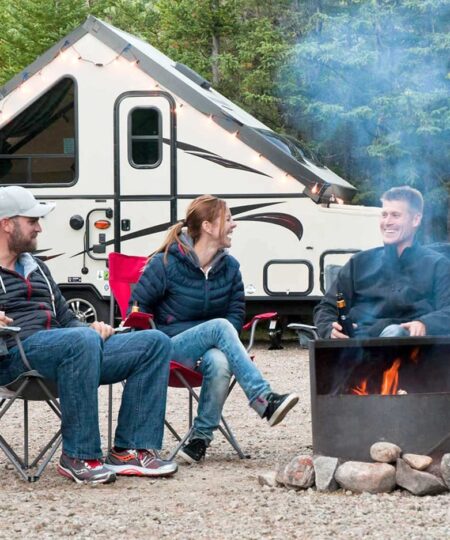
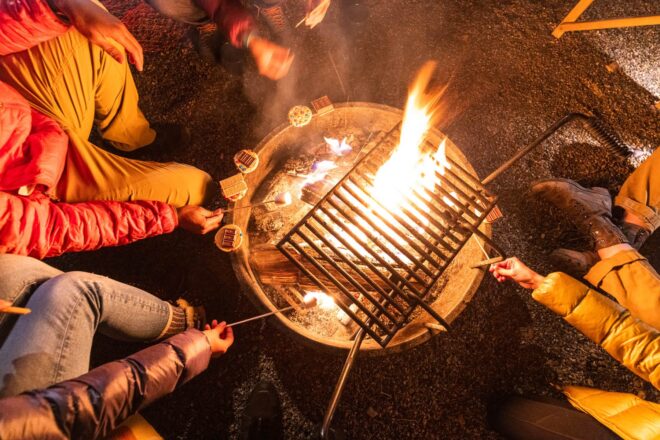
For Adriana and her family of four, a two-night RV getaway is all about squeezing in some quality family time around the campfire.
Even a short escape comes with a few different expenses. Here’s where their budget went:
- Food: $490
- Fuel: $110
- Campsite: $110
- Supplies: $50
- Supplies: $50
- Firewood: $15
- Propane: $10
- Ice: $5
TOTAL: $790
At just two nights, even a short weekend getaway can have several different expenses beyond the campground and fuel.
For Adriana’s family of four, food was the biggest accounting for more than half of the trip’s total cost. Keeping everyone fuelled and fed (including two energetic kids) can add up quickly. Then there are the additional little camping essentials that make a trip more comfortable, from firewood and ice to propane and everyday supplies. Individually, those smaller purchases may not seem like much, but together they can make a noticeable difference in your final budget.
When planning a short RV getaway, it’s worth looking beyond the big-ticket expenses and leaving some room for the little things. A few extra dollars here and there may add up, but they’re also part of what makes a campsite feel like home.

The Experience Collector
For a completely different kind of RV adventure, Andrée and her husband spent 13-days travelling 3,500-kilometres to the Magdalen Islands. The journey is just as much a part of the adventure as the destination, with campground stays, meals out, a ferry crossing and plenty of kilometres between stops.
Here’s what the trip cost:
- Fuel: $1,304
- Campgrounds: $386
- Groceries: $384
- Restaurants: $335
- Miscellaneous/gifts: $284
- Parks & activities: $180
- Coffee shops: $184
- Ferry: $185
- Oil change: $185
- Propane: $35
- Tolls & parking: $20
TOTAL: $3,482
For a long distance trip, fuel is easily the largest expense. Andrée’s budget shows how quickly fuel can become the biggest expense when you’re covering thousands of kilometres.
The longer you’re on the road, the more likely you’ll also encounter costs that don’t necessarily come up on a shorter weekend trip. A ferry crossing, an oil change, parking, tolls and more frequent restaurant and coffee stops all became part of this adventure.
For long-distance RV trips, the route you choose can have a major impact on your budget. Fewer unnecessary kilometres and longer stays can mean more time exploring and less time and money spent behind the wheel.