



For Beginners
For Experts
Discover the best of the North Shore with our comprehensive guide to exploring the Whale Route by RV.
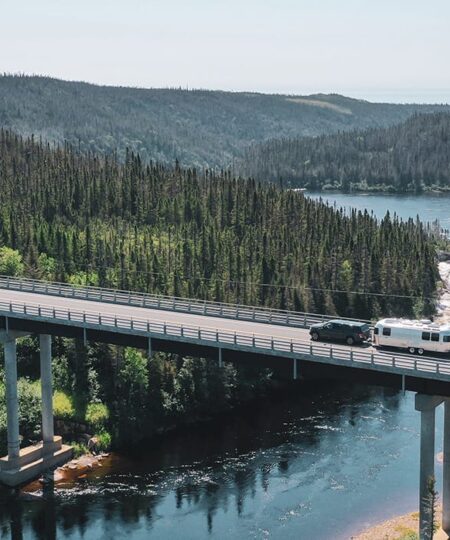
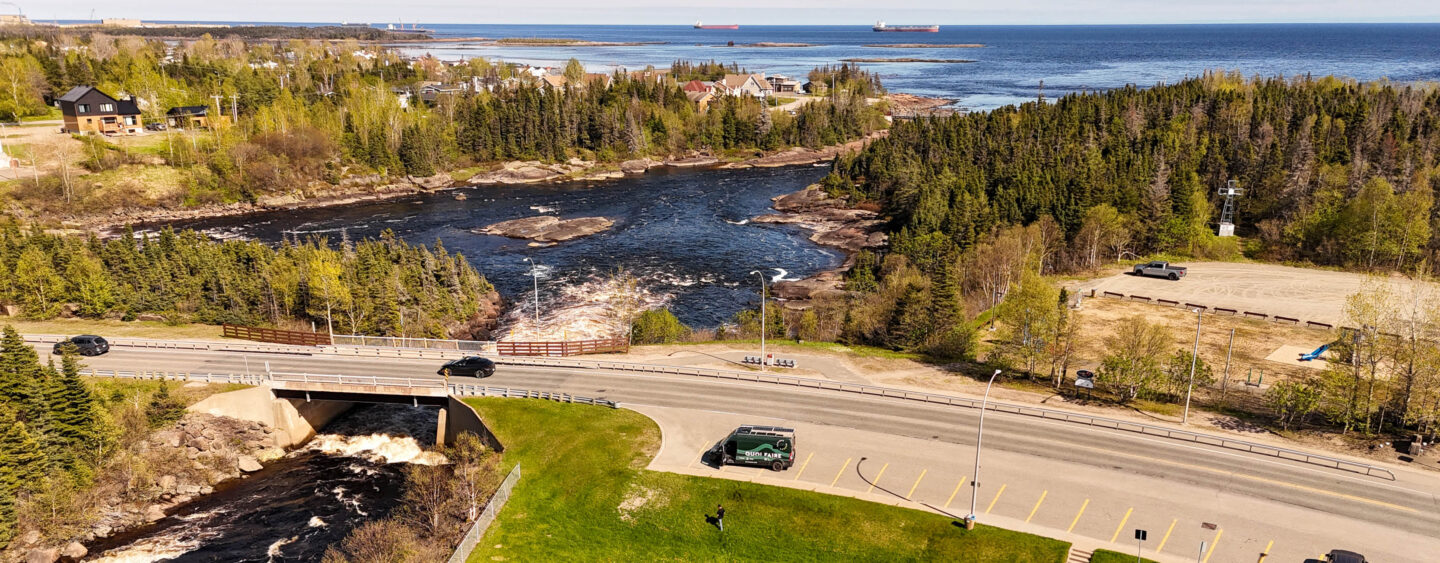
This route closely follows Route 138 all the way to the end. It’s a legendary scenic route that runs along the St. Lawrence River, which gradually widens. The further east you go, the more the air fills with the scent of salt and the aromas of the boreal forest. Your eyes are treated to endless beaches stretching out before you, creating a sense of escape that sets in from the very start. You have to love driving, exploring, and letting yourself be carried away by the unknown. Here, every detour holds a surprise: a breathtaking viewpoint, a secluded village, or a deserted beach.
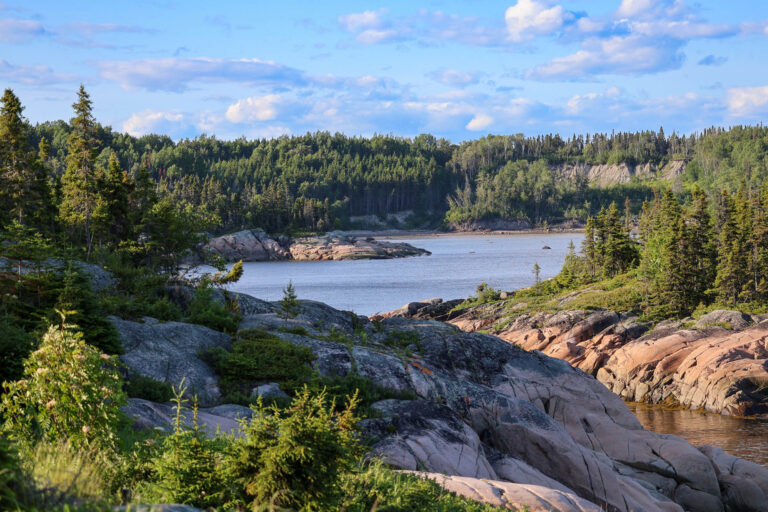
Far from mass tourism, this route is an immersion in vast and sometimes wild landscapes, where you can even spot marine mammals from the shore and where sunrises peek over the sea. The climate shifts subtly as you head north, adding to the feeling of traversing another world. It’s the perfect route for curious travelers, lovers of the sea, and those who cherish freedom.
Tadoussac was one of the first trading posts in North America. This rich past can still be felt today through some of its buildings and interpretive sites. When you arrive in Tadoussac, the maritime atmosphere immediately sets the tone for the trip. This iconic village, where the Saguenay Fjord meets the St. Lawrence, is much more than a simple stopover: it is an immersion in history, nature, and culture.
Take the time to set up your RV at one of the campgrounds overlooking the river. Then head to the Marine Mammal Interpretation Centre for a fascinating introduction to the world of whales. At the end of the day, a walk along Pointe-de-l’Islet is a must—an ideal place to catch your first glimpse of a fin whale’s blow or spot belugas and seals.
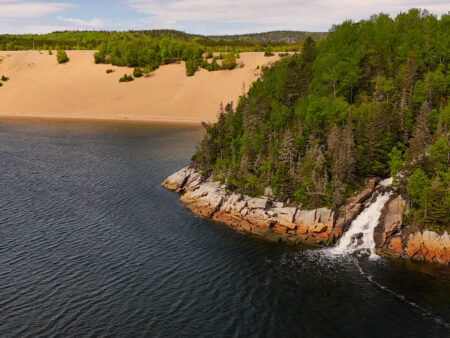
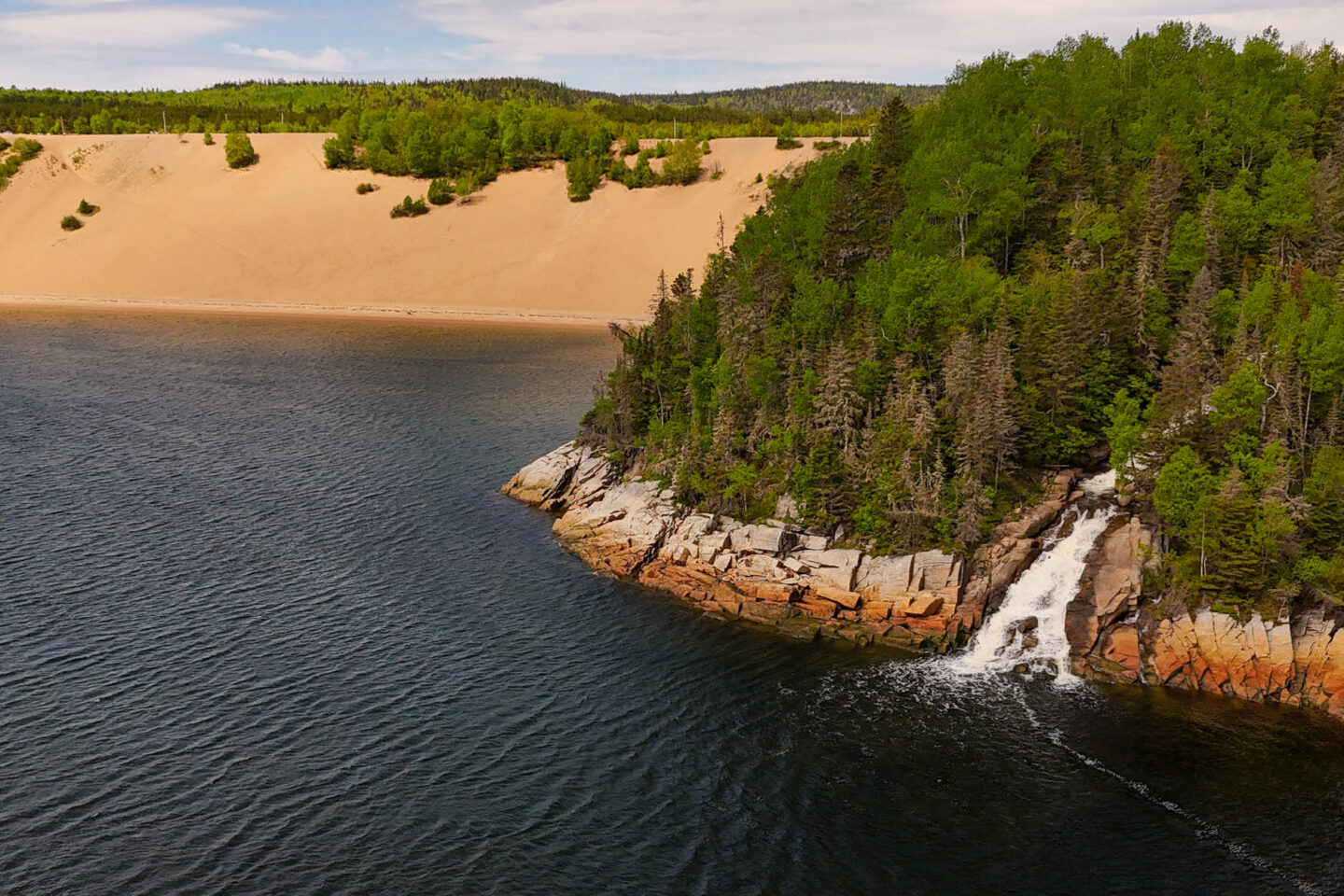
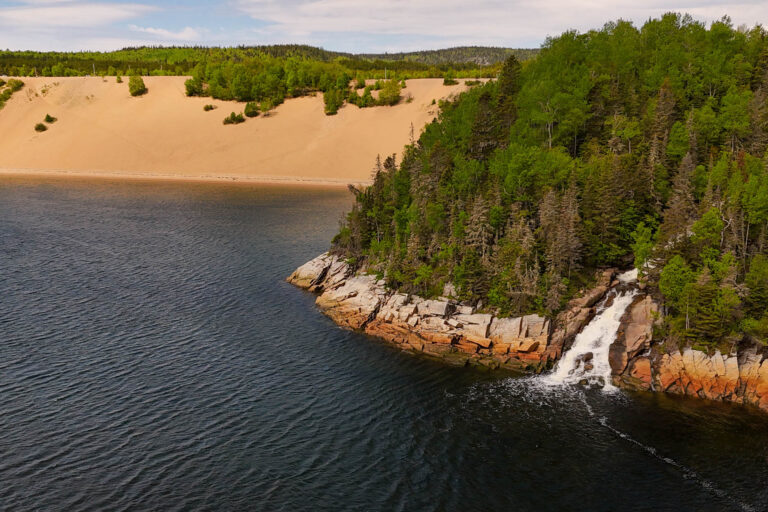
Do not miss a visit to the Dunes area, a spectacular natural site overlooking the river. If the tide is low, venture farther along the shoreline to discover a hidden waterfall that flows directly into the St. Lawrence. It is a rare and magical moment for attentive walkers. Tadoussac is also an excellent gourmet stop: for fine dining, visit the Hôtel Tadoussac or a friendly bistro, or stop by the local microbrewery to enjoy a craft beer brewed with a view of the marina.
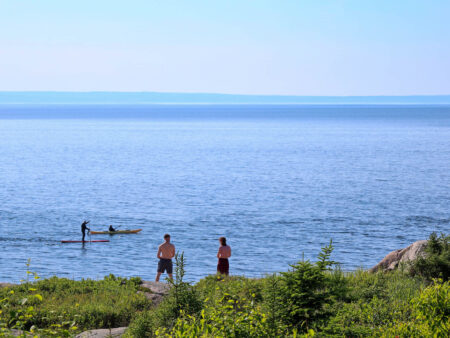
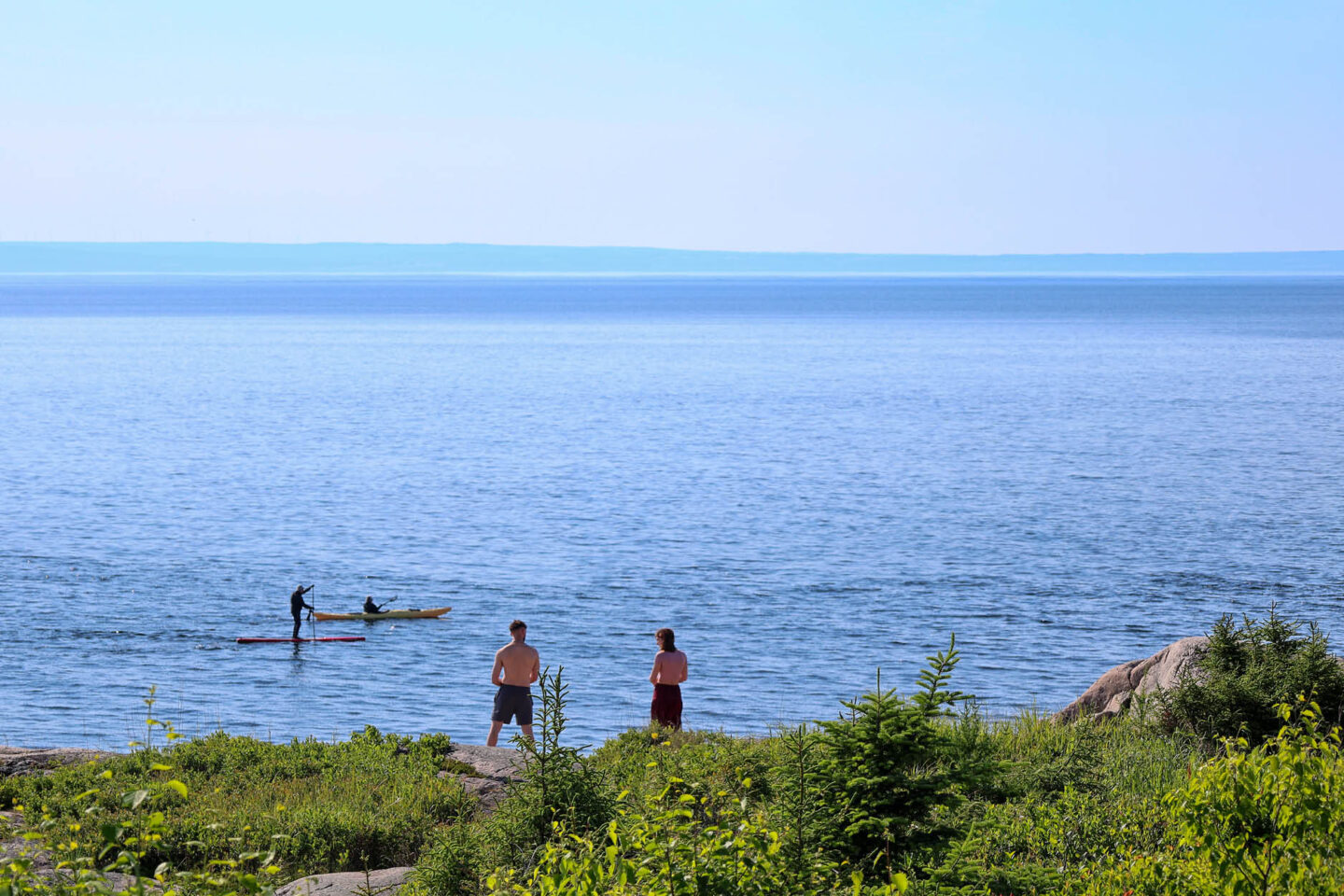
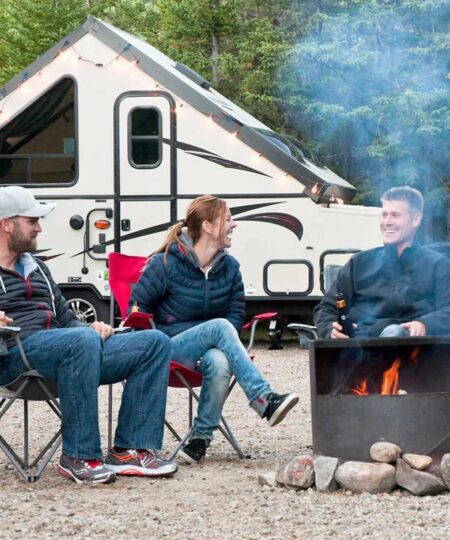
Dedicate this day to whales from every angle. Whether you board a whale-watching vessel, a fast zodiac, or a sea kayak with a naturalist guide, there are many opportunities to get close to these giants in a respectful way. For an aerial perspective, it is even possible to treat yourself to a panoramic flight over the fjord, the estuary, and the whale-watching sites. Each outing is unique, shaped by the tides, the weather, and a little bit of luck. In the evening, return to the campground to share your sightings around a comforting campfire.
On the way to Les Escoumins, make time for a stop at Cap-de-Bon-Désir, a Parks Canada site renowned as one of the best places in Québec to watch whales from shore. Once in Les Escoumins, visit the Marine Environment Discovery Centre to learn more about the estuary’s seabed, marine life, and cold-water currents.
From there, continue to the Innu community of Essipit, where community-led marine excursions offer a memorable way to experience the river and its wildlife. Essipit also offers a variety of places to stay, including campgrounds, cottages, and condos along the St. Lawrence. Nearby, Paradis Marin campground is another exceptional option, set right at the water’s edge.
This stop beautifully brings together nature, culture, and wildlife viewing in a peaceful and unforgettable riverside setting.
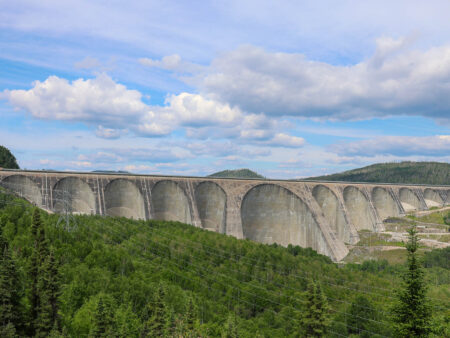
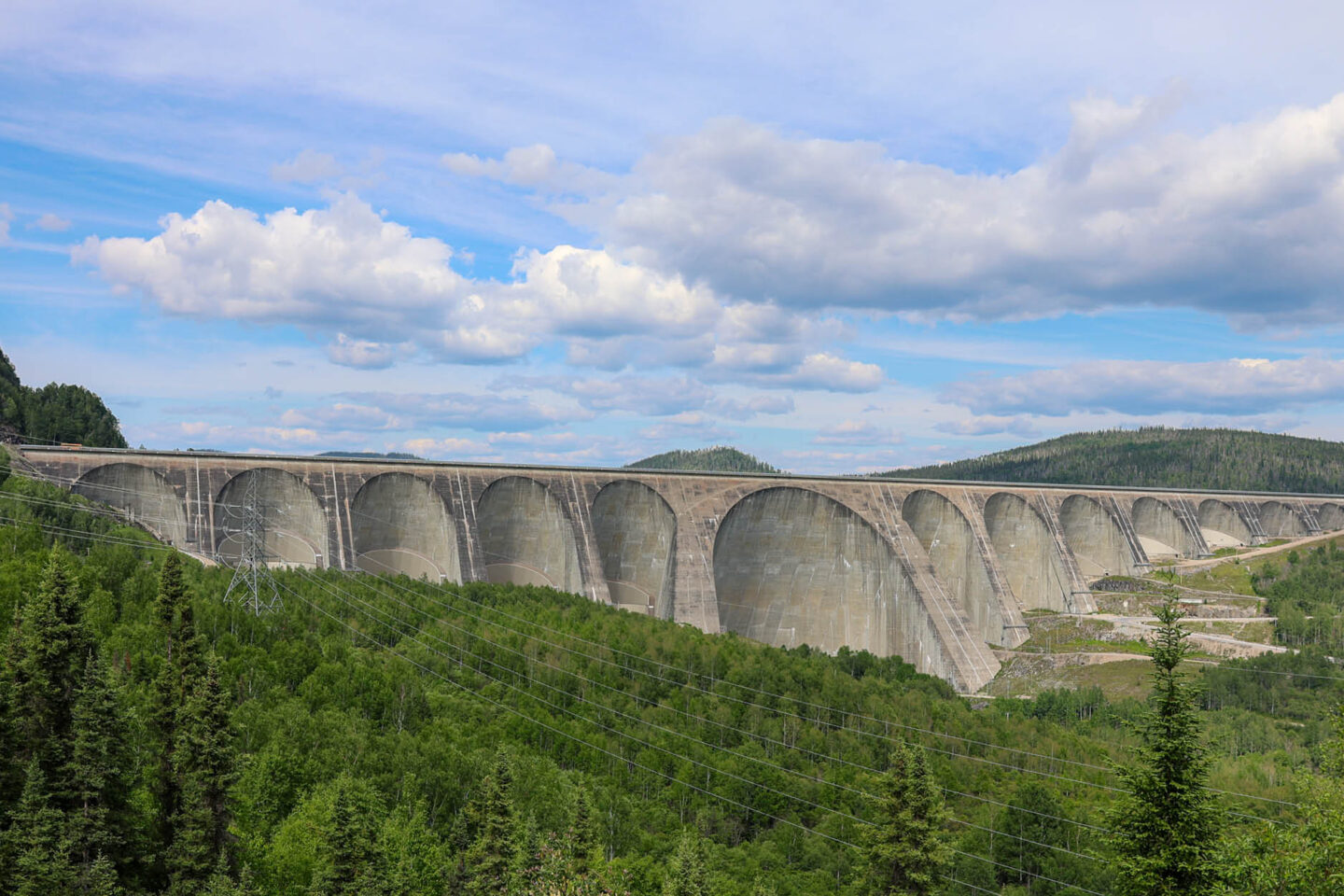
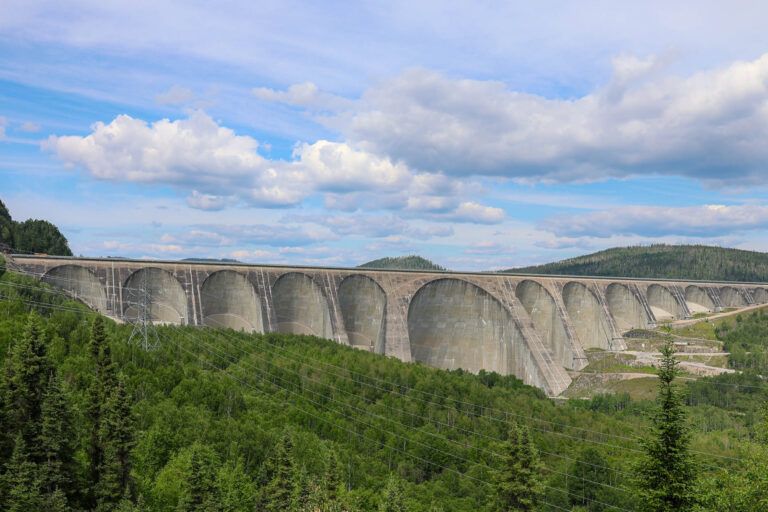
After leaving Essipit, head toward Baie-Comeau. This town, surrounded by vast expanses of wilderness, is a surprising place where industrial heritage and natural beauty coexist in perfect harmony. Start your visit with one of Hydro-Québec’s most impressive structures: the Manic 2 and Manic 5 dams, which are free to visit but require a reservation. These spectacular facilities showcase Quebec’s hydroelectric engineering prowess.
Back in town, take a stroll along the Champlain Beach promenade or enjoy a delicious local meal. Baie-Comeau has a fascinating industrial past that has left a lasting mark on its architecture, neighborhoods, and identity. Once built around the aluminum and hydroelectric industries, the city has transformed while retaining a charm all its own—a blend of northern urbanity and ever-present nature.
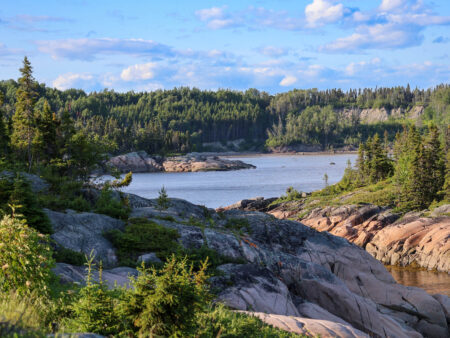
Don’t miss a stop at the Baie de Saint-Pancrace lookout, a scenic spot offering breathtaking views of the cove’s turquoise waters, nestled between cliffs and boreal forest. For those looking for a gentle adventure or a different way to stretch their legs, Attitude Nordique offers activities such as via ferrata, guided hikes, and sea kayaking in a safe and friendly setting. End the day with a local touch by visiting the St-Pancrace microbrewery or the Vent du Nord distillery, both of which highlight boreal flavors in their artisanal products.
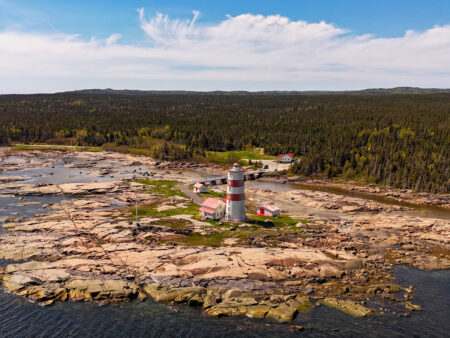
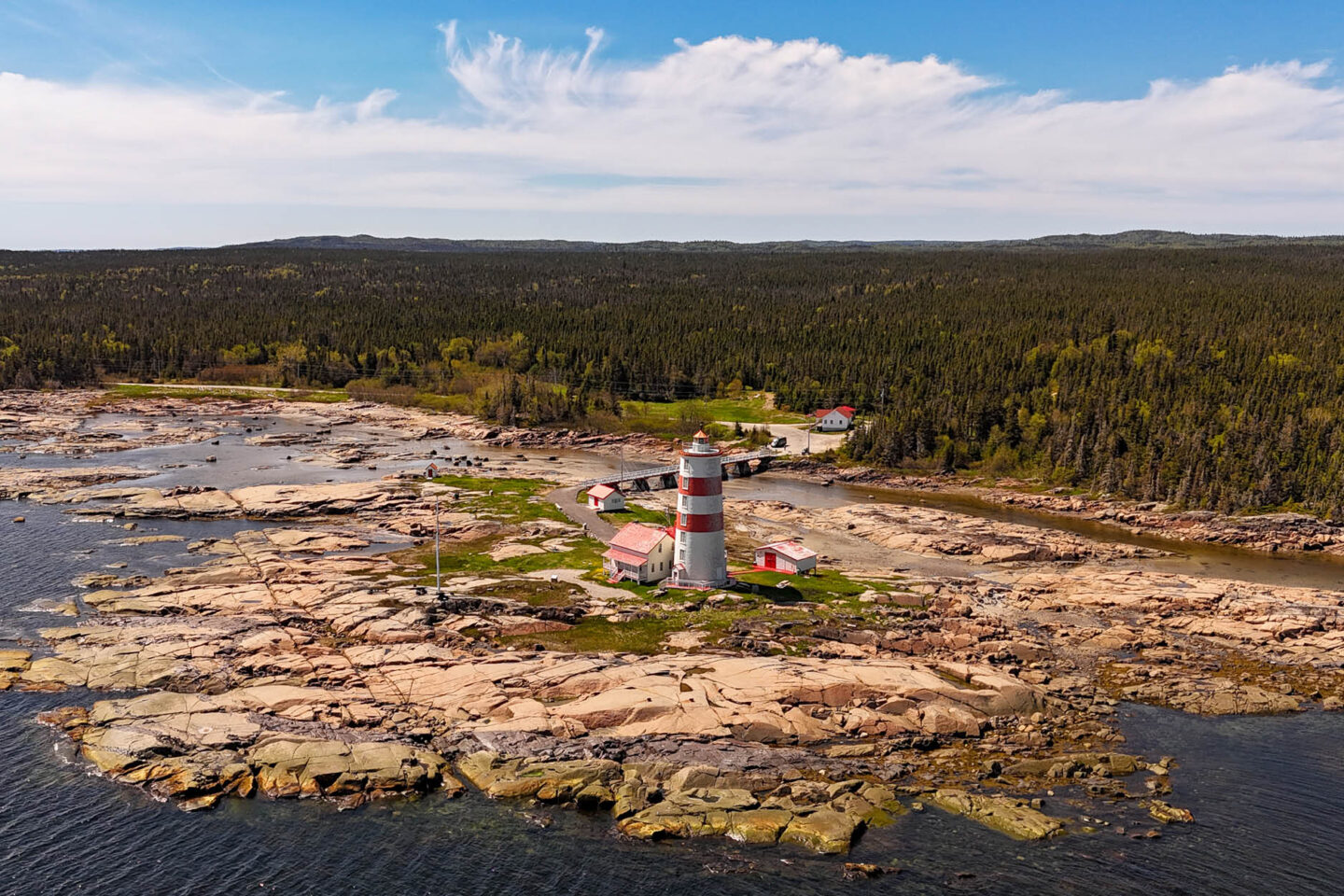
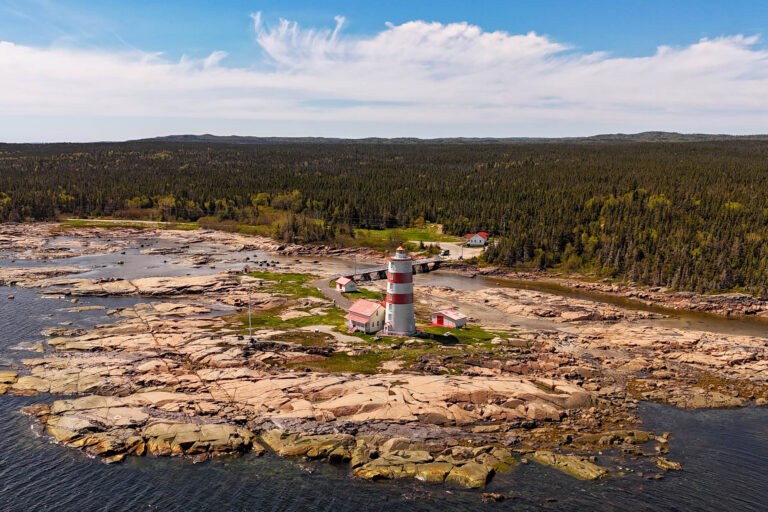
After a busy day in Baie-Comeau, continue on to the Pointe-des-Monts lighthouse. Located where the river meets the gulf, this historic site offers a peaceful and untamed atmosphere.
Head back on the road toward Sept-Îles, a city where urban comforts blend with the grandeur of nature. Thanks to its coastal microclimate, Sept-Îles enjoys milder summers and spectacular sunsets. Visit the Tshakapesh Institute or the regional museum to discover contemporary Innu culture, then end the day on one of the long golden-sand beaches to watch the sun disappear over the ocean horizon.
On the way to Havre-Saint-Pierre, a stop at Manitou Falls—one of the most impressive waterfalls on the North Shore—is a must. Easily accessible from Route 138, this natural site offers a breathtaking view of a waterfall over 35 meters high, nestled in a forested setting. A well-maintained trail allows you to reach it quickly and take a short, refreshing break.
Before arriving in Havre-Saint-Pierre, stop at Longue-Pointe-de-Mingan, home to the Innu community of Ekuanitshit. Take the opportunity to visit their craft shop, a welcoming place where you can purchase authentic creations while discovering the cultural richness of the Innu. It’s a wonderful chance to interact with community members and learn more about their millennia-old relationship with the land.
Once in Havre-Saint-Pierre, don’t miss the chance to visit the Île aux Perroquets lighthouse, accessible via a boat tour. Perched in the heart of the gulf, this historic site is also a prime spot for observing one of Quebec’s rare puffin colonies. Their striking plumage and their clumsy yet endearing flight make for a highlight for wildlife lovers. Next, embark on a cruise through the Mingan Archipelago, famous for its limestone monoliths sculpted by the sea and wind. These islands are both mysterious and majestic, offering a total immersion in a pristine marine world.
There are several excursion options available: boat tours, guided hikes, camping, or stays at mountain huts on the islands. The municipal campground in Havre-Saint-Pierre is conveniently located near the beach and local amenities.
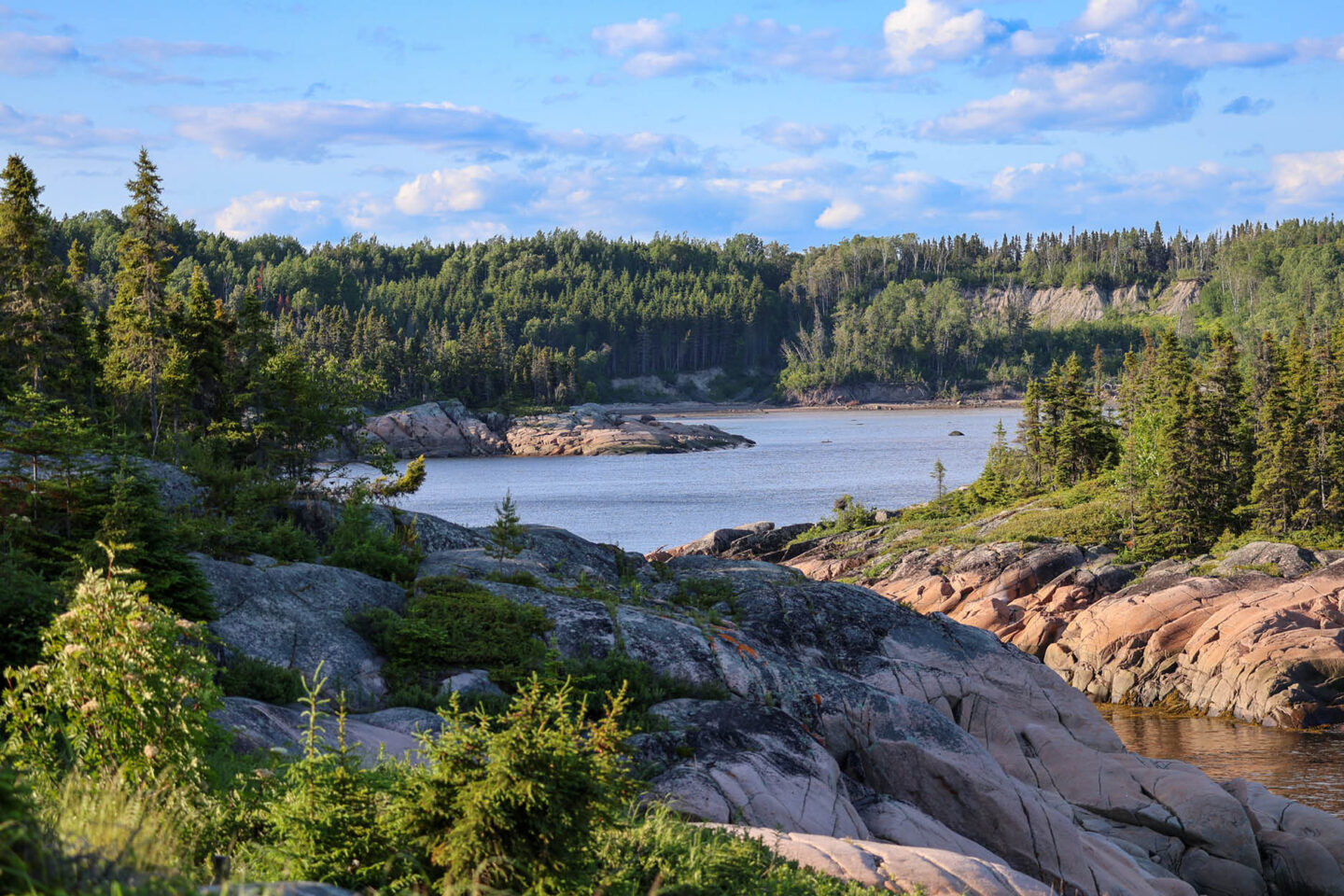
Arriving in Natashquan is a uniquely moving experience. This coastal village, immortalized in the songs of Gilles Vigneault, possesses a deeply poetic spirit. Before you arrive, be sure to stop at Johan-Beetz Bay, a place of great tranquility, lined with beaches and rocks—the perfect spot for a picnic or simply to watch the waves.
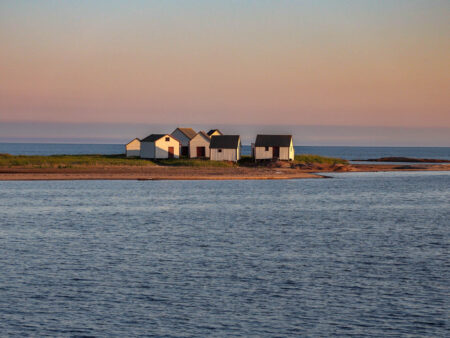
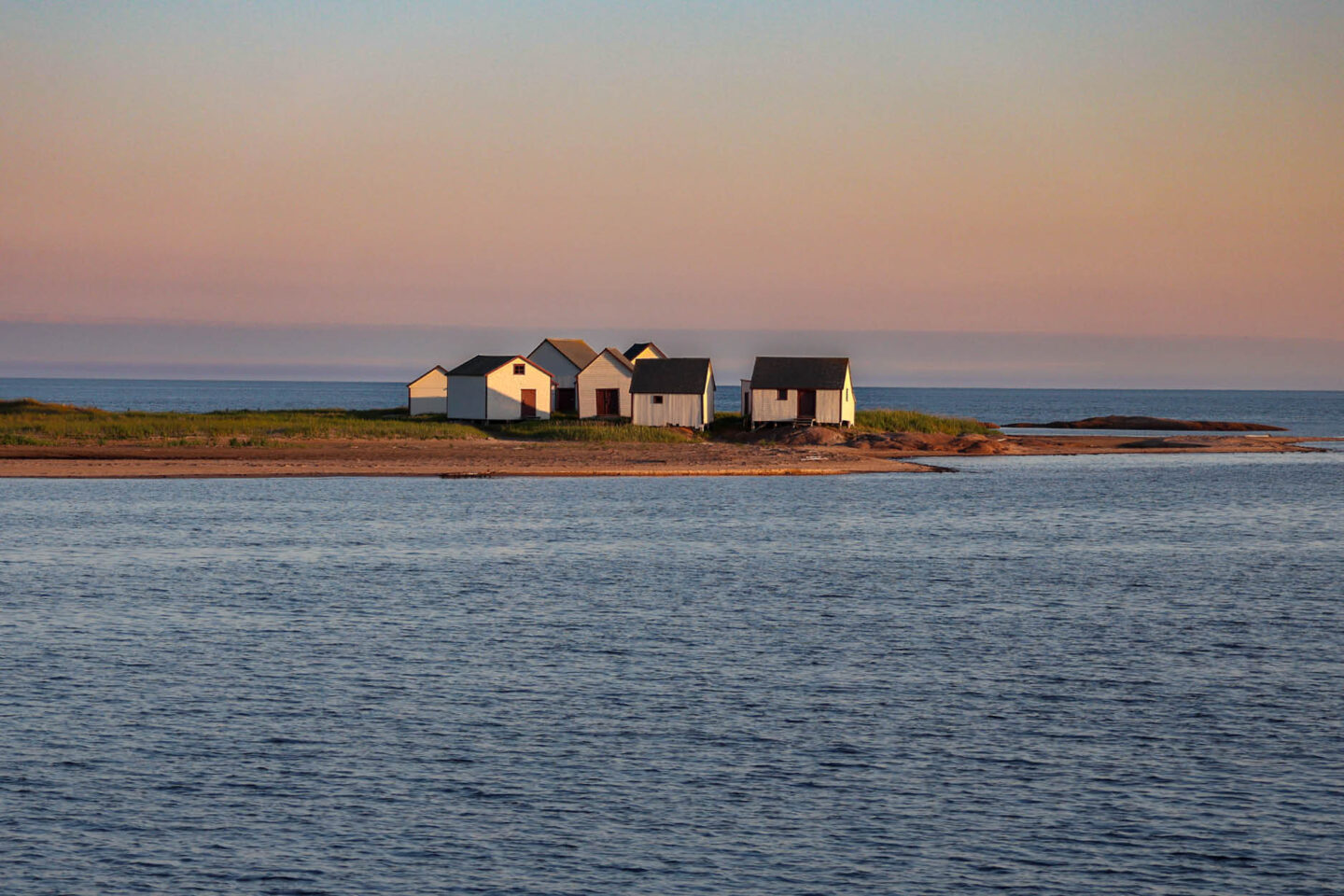
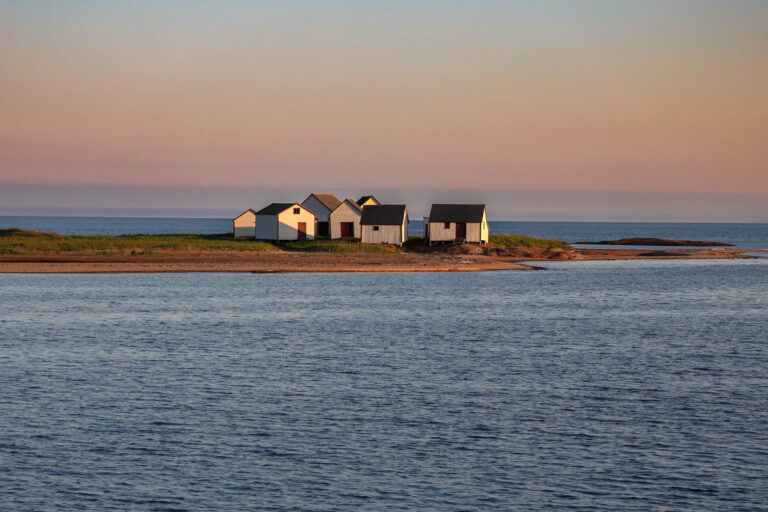
In Natashquan, take a stroll along the long golden-sand beach, explore the pebbles, or participate in a local cultural activity. The Galets site, former fishing warehouses, will immerse you in the village’s maritime history. The local community is welcoming, and several accommodation options are available to RV travelers, including well-located campsites just steps from the shoreline.
Continue on to Kegaska, where the road ends but the adventure continues. The village marks the end of Route 138 but also the beginning of the territory served by the Bella Desgagnés, which connects the communities of the Lower North Shore all the way to Blanc-Sablon. A unique opportunity to discover a lesser-known side of Quebec, where the road becomes the sea. The village marks the end of Route 138 but also the beginning of the territory served by the Bella Desgagnés, which connects the communities of the Lower North Shore all the way to Blanc-Sablon. A unique opportunity to discover a lesser-known side of Quebec, where the road becomes the sea.