
For Beginners
For Experts
Every May, millions of songbirds, waterfowl, and shorebirds funnel north along the Mississippi and Central Flyways. While eastern birding spots like Point Pelee often draw massive crowds, Manitoba offers an uncrowded alternative with equally dramatic bird activity.
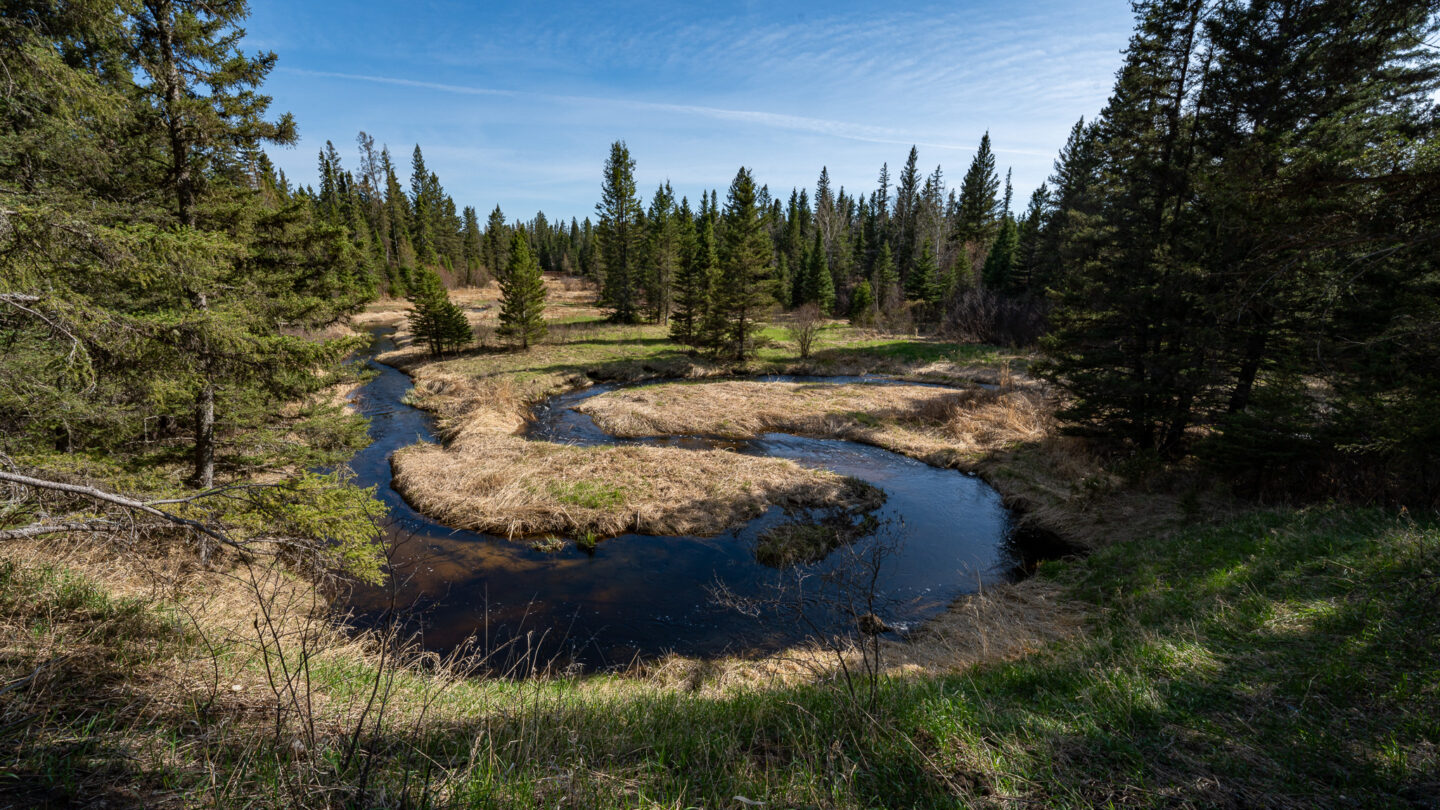
Across a single week, you can travel from shallow prairie wetlands and coastal lake beaches to dense boreal forests and aspen parkland. Because these distinct habitats sit within short driving distances of one another, Manitoba is one of the best places for birdwatching in Canada.
Taking an RV on this route gives you a front-row seat to the action. Bird activity peaks in the early morning hours just as the sun rises. When you camp directly inside provincial parks or right beside wildlife management areas, you eliminate pre-dawn hotel drives. You can wake up on site, brew coffee in your kitchen, and step out onto the trail before the morning chorus peaks.
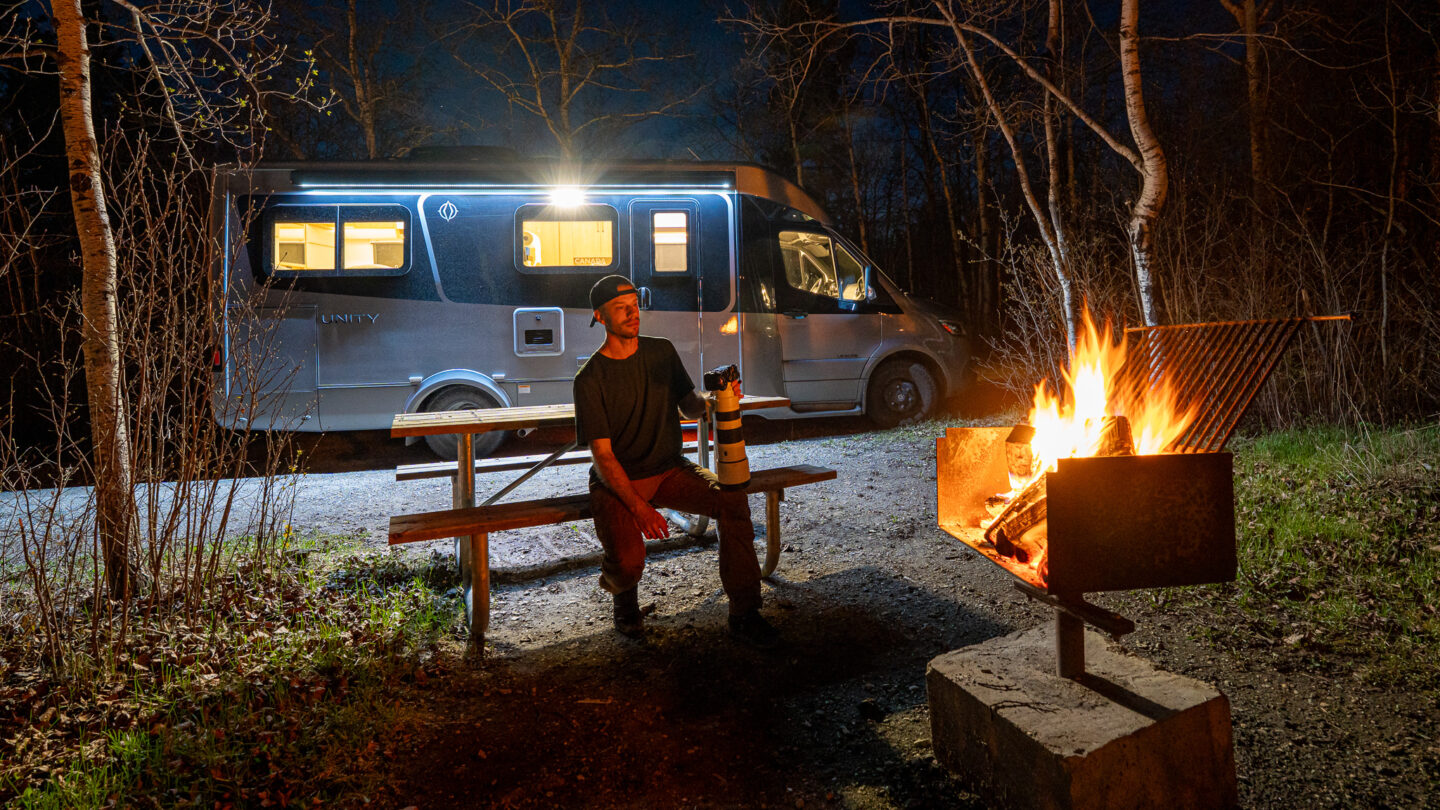
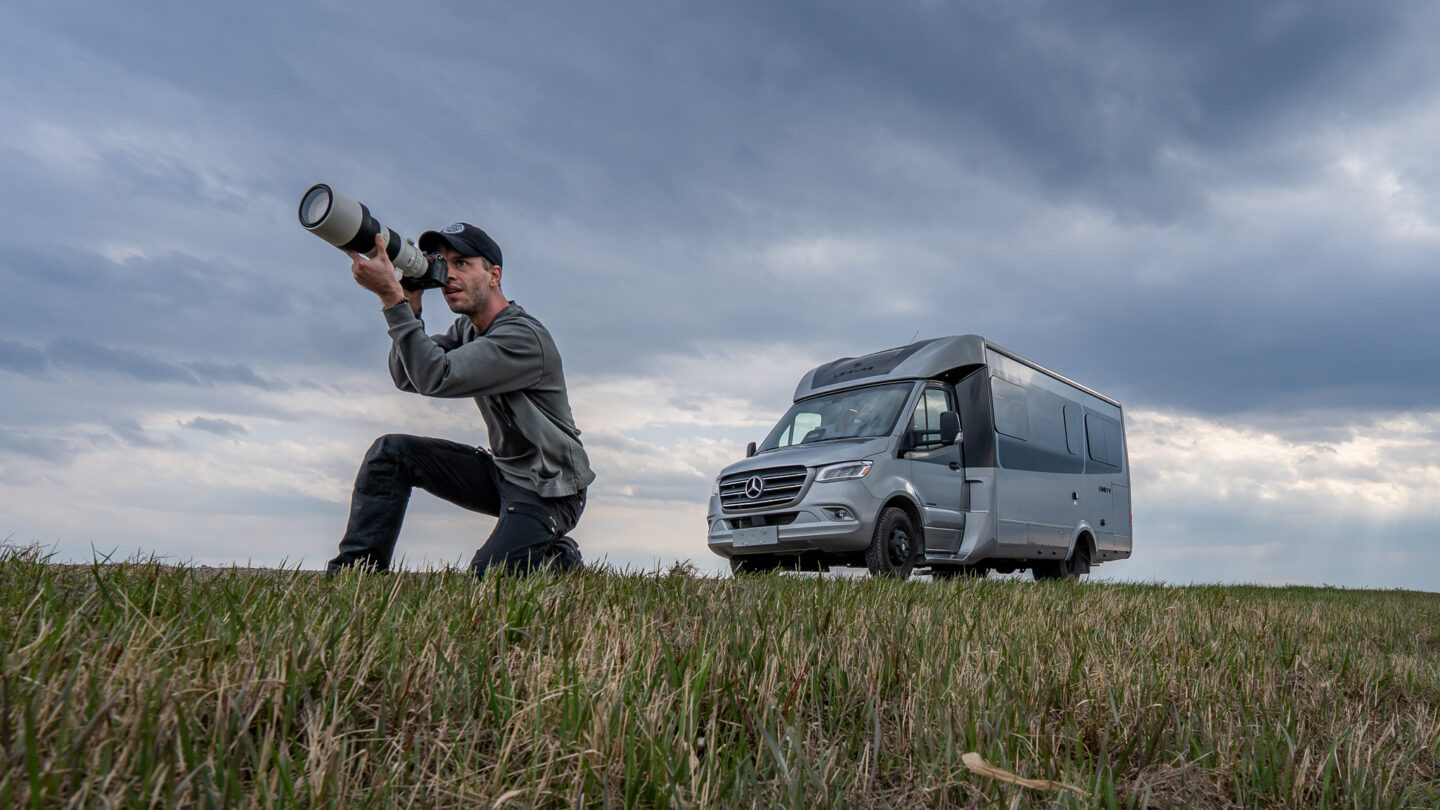
I spent a week exploring this migration corridor in a 24-foot Leisure Travel Vans Unity RV, starting and finishing in Winnipeg. Whether you are an experienced birder looking for rare shorebirds or a road tripper who wants to experience Canada’s wild spaces, this itinerary covers the best birdwatching spots, scenic highways, and quiet campgrounds across Manitoba.
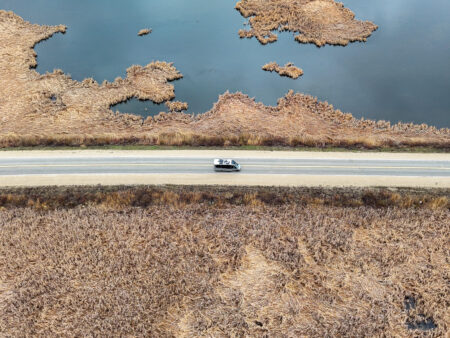
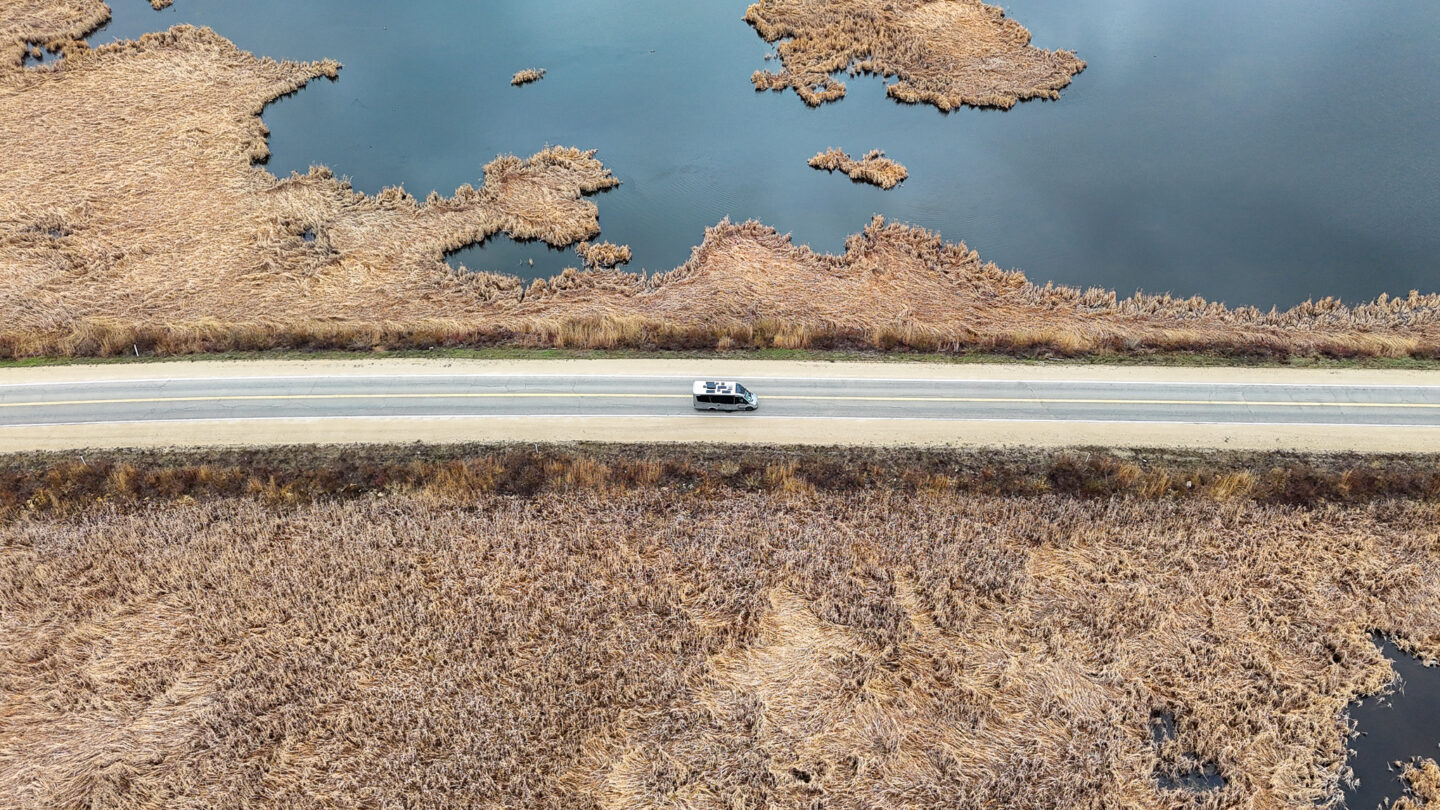
After picking up my RV from Triple E RV in Winnipeg, my first move was heading 40 kilometers north along Highway 7 before turning east onto Highway 67. Within 35 minutes, the city skyline disappeared and opened up into the vast reed beds and shallow waters of Oak Hammock Marsh.
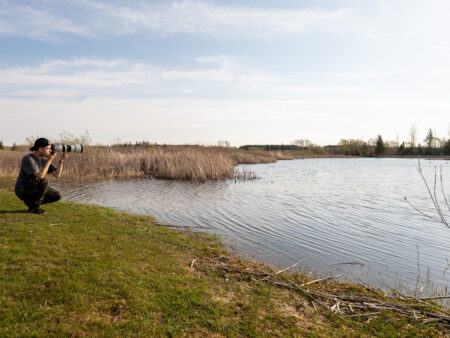
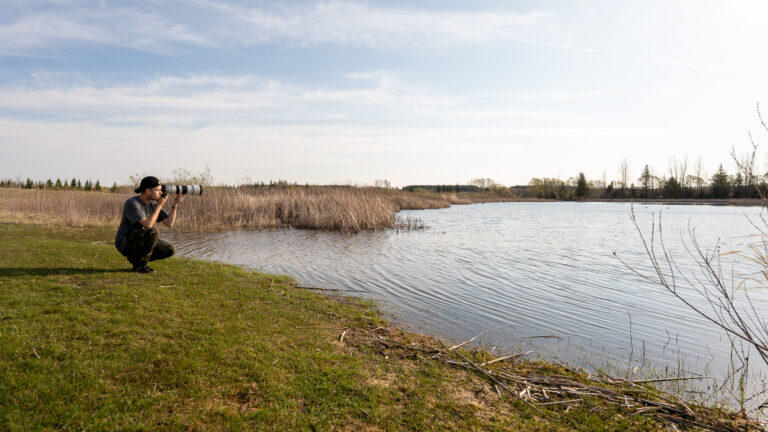
This area covers over 36 square kilometers of restored wetland, and the sheer volume of bird activity right off the main road was immediately impressive. My first stop was the Harry J. Enns Wetland Discovery Centre, which serves as the national headquarters for Ducks Unlimited Canada. Getting an overview of the wetland restoration work happening here gave me a much deeper appreciation for the habitat before I pulled my camera gear out.
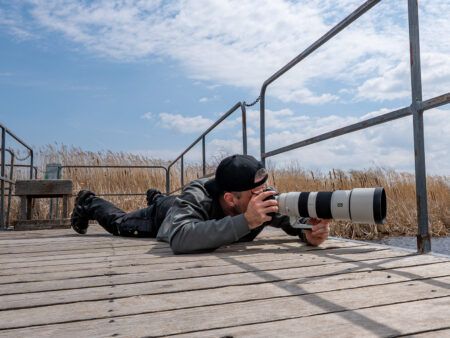
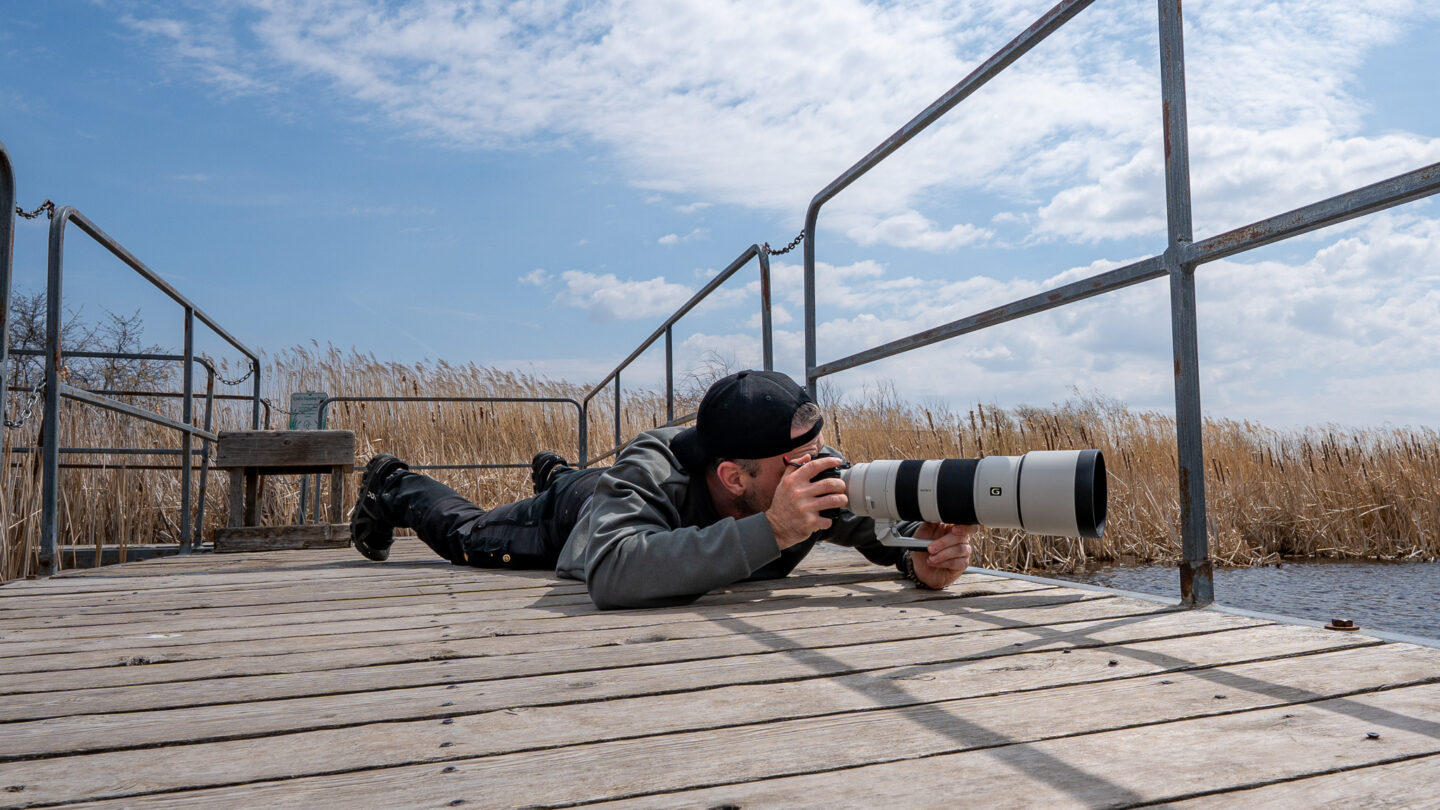
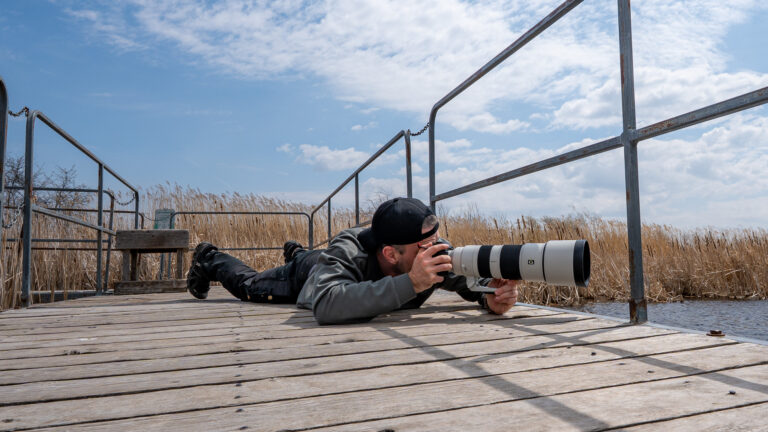
I spent the afternoon exploring the floating boardwalks and roadside pullouts. In a single afternoon, I managed to frame shots of Northern Pintail, Blue-winged Teal, Franklin’s Gull, and a pair of Sandhill Cranes stepping through the tall grass.
By late afternoon, I drove 25 minutes south along Highway 59 to set up camp at Birds Hill Provincial Park for the night. Having the camper set up early meant I could cook a quick dinner, prep my lenses for dawn, and get a solid night’s sleep right near tomorrow’s trailhead.
Parking at Oak Hammock Marsh: The main parking lot at the Wetland Discovery Centre has long, paved bus and RV bays. I had no trouble maneuvering my motorhome, and there is plenty of room for larger rigs and travel trailers up to 45 feet.
Birds to Watch For:
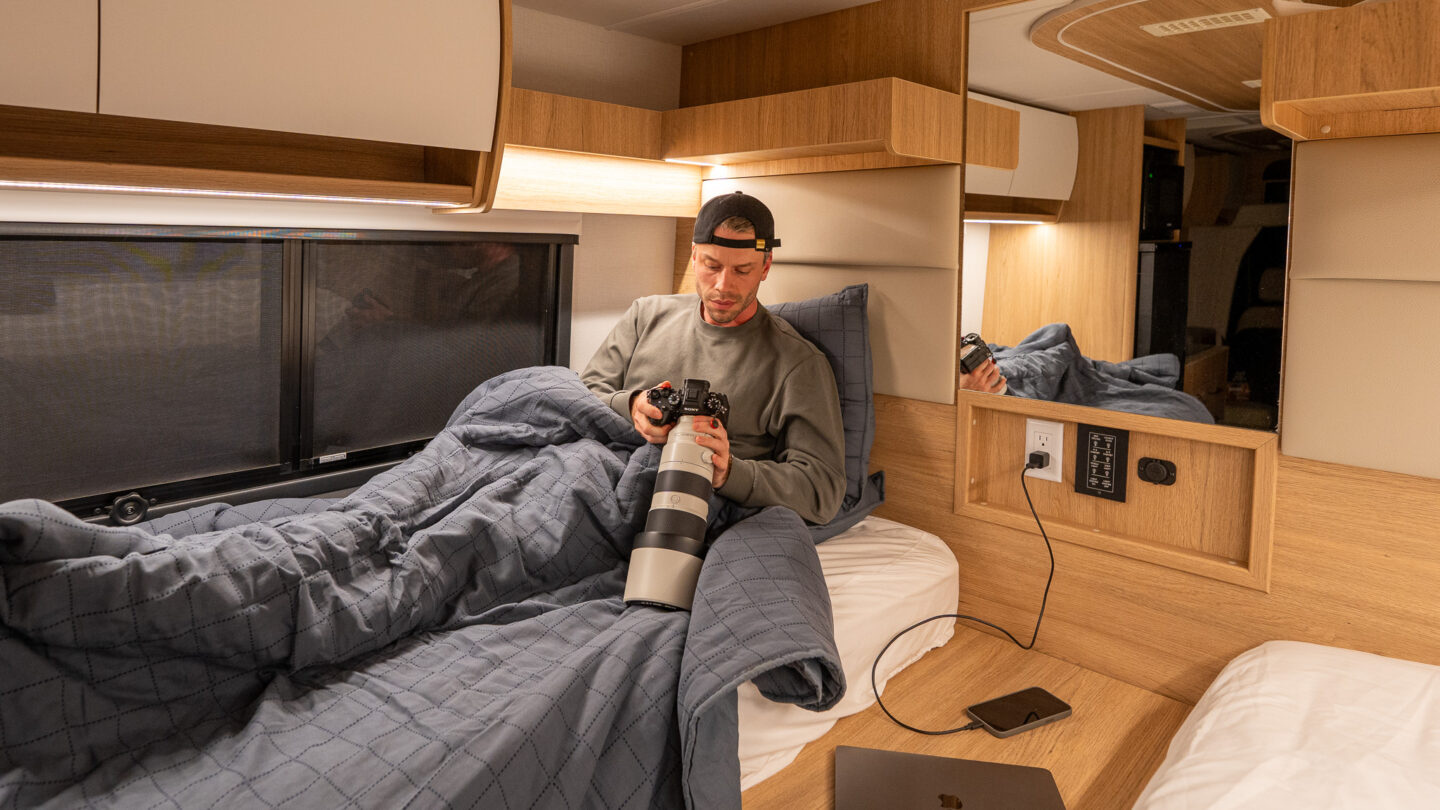
My alarm went off before sunrise. This is where travelling in an RV completely changes the game for wildlife photography. Instead of driving an hour in the dark from a downtown hotel, I walked out my camper door directly into the quiet forest.
The landscape at Birds Hill shifts from open prairie wetlands to mature oak, aspen, and pine forest. Walking the Bur Oak Trail in the cool morning air, the forest canopy was alive with migratory songbirds. The early morning light filtering through the trees made for fantastic conditions, and I caught sight of Rose-breasted Grosbeak, Baltimore Oriole, Ovenbird, Black-and-white Warbler, and a Yellow-bellied Sapsucker drumming on a standing pine.
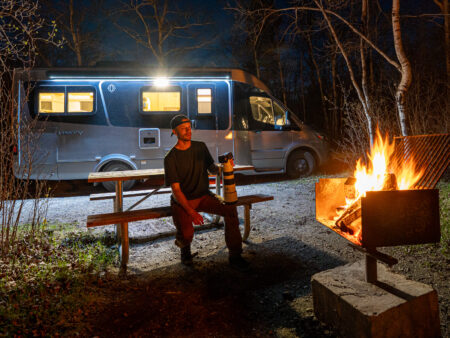
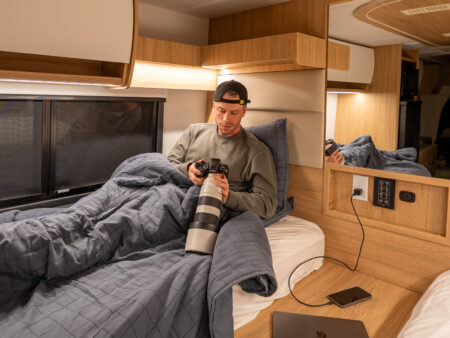
After a few hours on foot, I walked back to the RV, brewed a fresh pot of coffee, and ate breakfast at the camp table. Having your kitchen sitting right at the trailhead makes early morning shoots effortless.
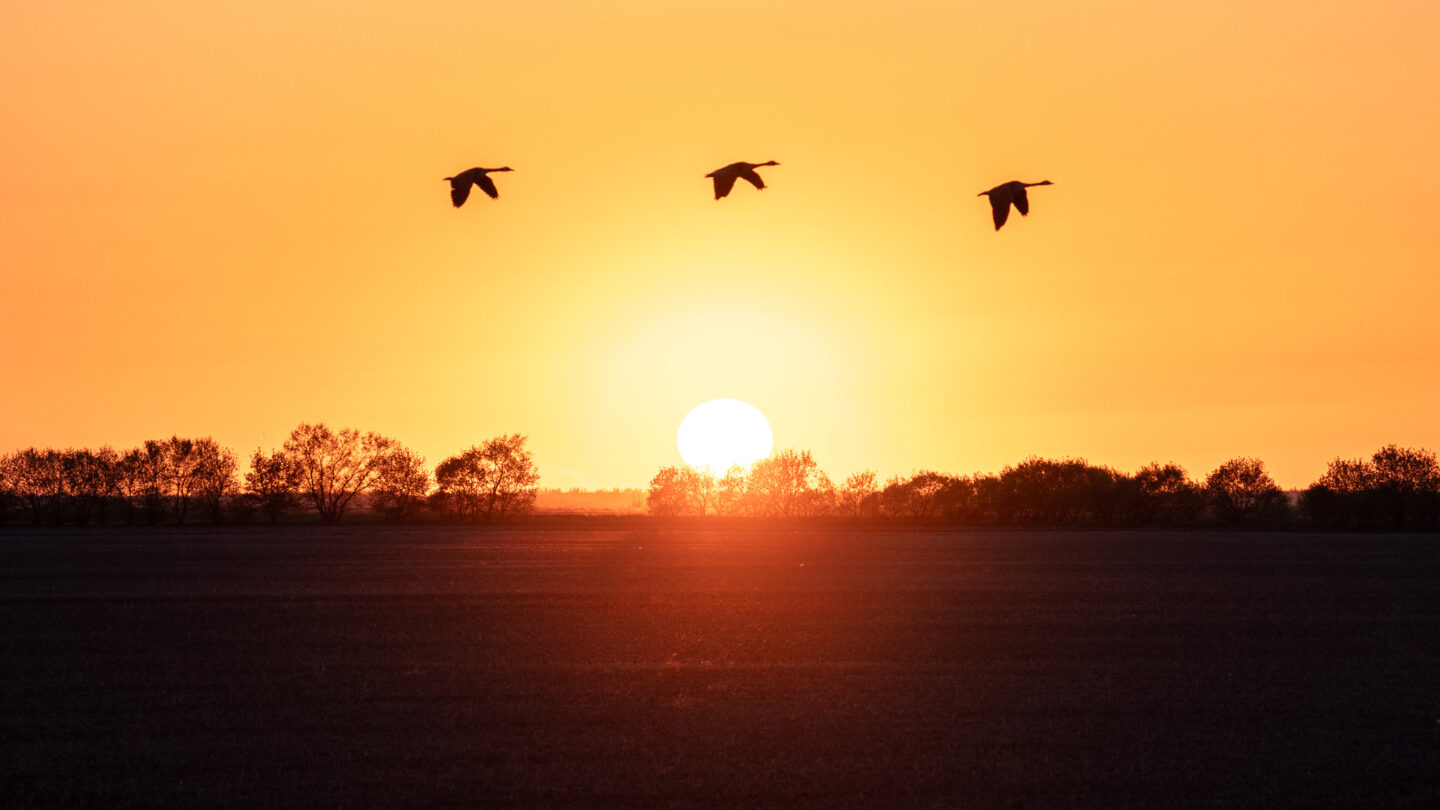
Later that evening, I made the short drive back to Oak Hammock Marsh to catch the sunset fly-out as thousands of waterfowl settled into the marsh for the night
Birds to Watch For:
Leaving Birds Hill, I pointed the RV north along Highway 7 through the heart of Manitoba’s Interlake region. After about an hour and fifteen minutes of easy prairie driving (115 kilometers), I pulled off at the Narcisse Snake Dens.
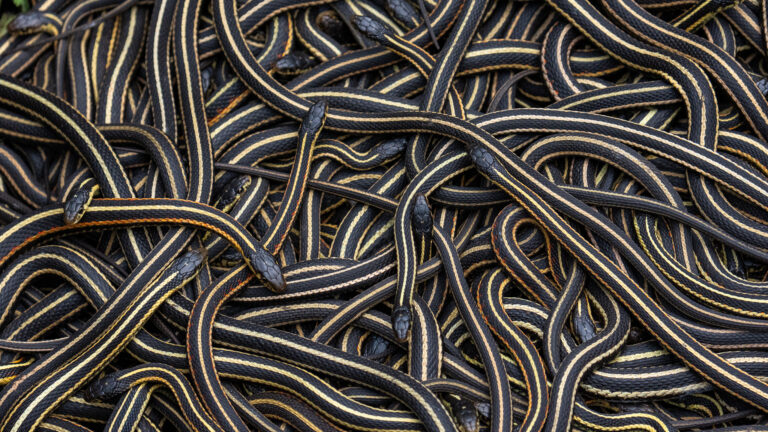
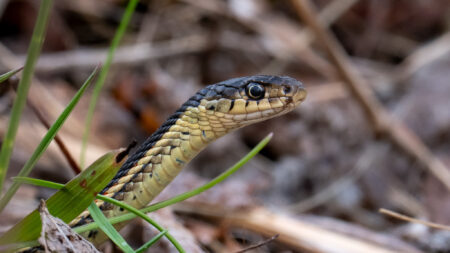
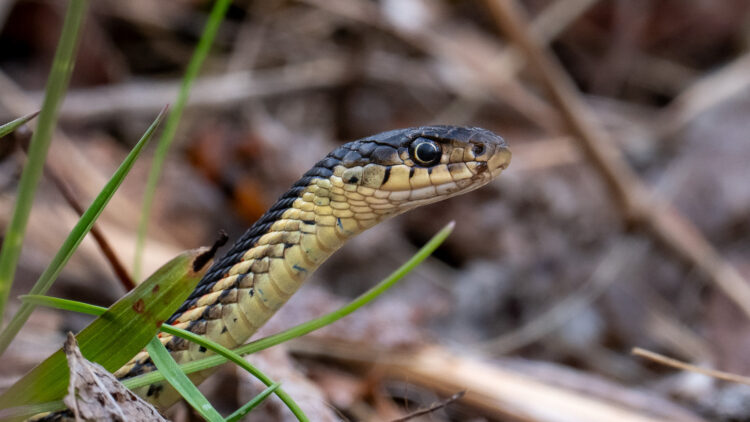
While this stop is not about birds, it is one of the most remarkable natural events in North America. Every spring, tens of thousands of Red-sided Garter Snakes emerge simultaneously from underground limestone sinkholes after winter hibernation.
Walking the 3.0 kilometer interpreter trail and boardwalks gave me a front-row view of thousands of snakes forming active mating balls near the den openings. It took roughly two hours to explore the site, making it a perfect mid-day break before continuing north toward the coast.
From Narcisse, I connected with Highway 68 East before turning north onto Highway 8, following the narrow peninsula out into Lake Winnipeg to Hecla Island (110 kilometers).
Arriving at Hecla-Grindstone Provincial Park feels like entering a completely different landscape. The gentle marshlands and oak woods near Winnipeg give way to big water, windswept limestone shorelines, pebble beaches, quiet bays, and thick boreal spruce forests.
Having an RV along this stretch of coast was a huge advantage. Lake Winnipeg creates its own microclimates, and bird activity shifts quickly depending on wind direction. I spent my days checking different micro-habitats, scanning open water for diving ducks in the morning, moving into sheltered forest trails midday, and checking marsh edges in the late afternoon.
Gull Harbour Point & Lighthouse Trail: Excellent locations for scanning Lake Winnipeg for Common Loon, Double-crested Cormorant, Common Tern, and Bald Eagles soaring along the coastline.
Grindstone Marsh Boardwalk: Protected coastal marsh habitat where you can observe Belted Kingfisher, waterfowl, and marsh-dwelling songbirds.
Boreal Forest Trails: Inland trails through spruce and birch canopy, where you can spot Yellow-rumped Warbler, Red-breasted Nuthatch, and Purple Finch.
In the evenings, I set up camp at Gull Harbour Campground near the northern tip of the island. The quiet shoreline views and dark night skies made this one of the most relaxing campsite stays on the trip.
Birds to Watch For:
Leaving Hecla Island, I drove south along Highway 8, connected west across Highway 17, and followed Highway 6 South to Provincial Road 227 North toward St. Ambroise (210 kilometers, approximately 2 hours and 20 minutes).
This drive brings you along the eastern border of Delta Marsh, one of the most famous freshwater coastal wetlands on the continent. St. Ambroise Provincial Park sits on a narrow spit separating Lake Manitoba from these extensive marshlands.
If shorebirds are high on your target list, this is where you want to spend serious time. The combination of wide mudflats, exposed sandbars, and shallow marsh outlets creates prime resting and foraging conditions for Arctic-bound waders.
I arrived in the early afternoon, parked at Surfside Beach Campground, and walked straight out onto the sandy spit extending into Lake Manitoba.
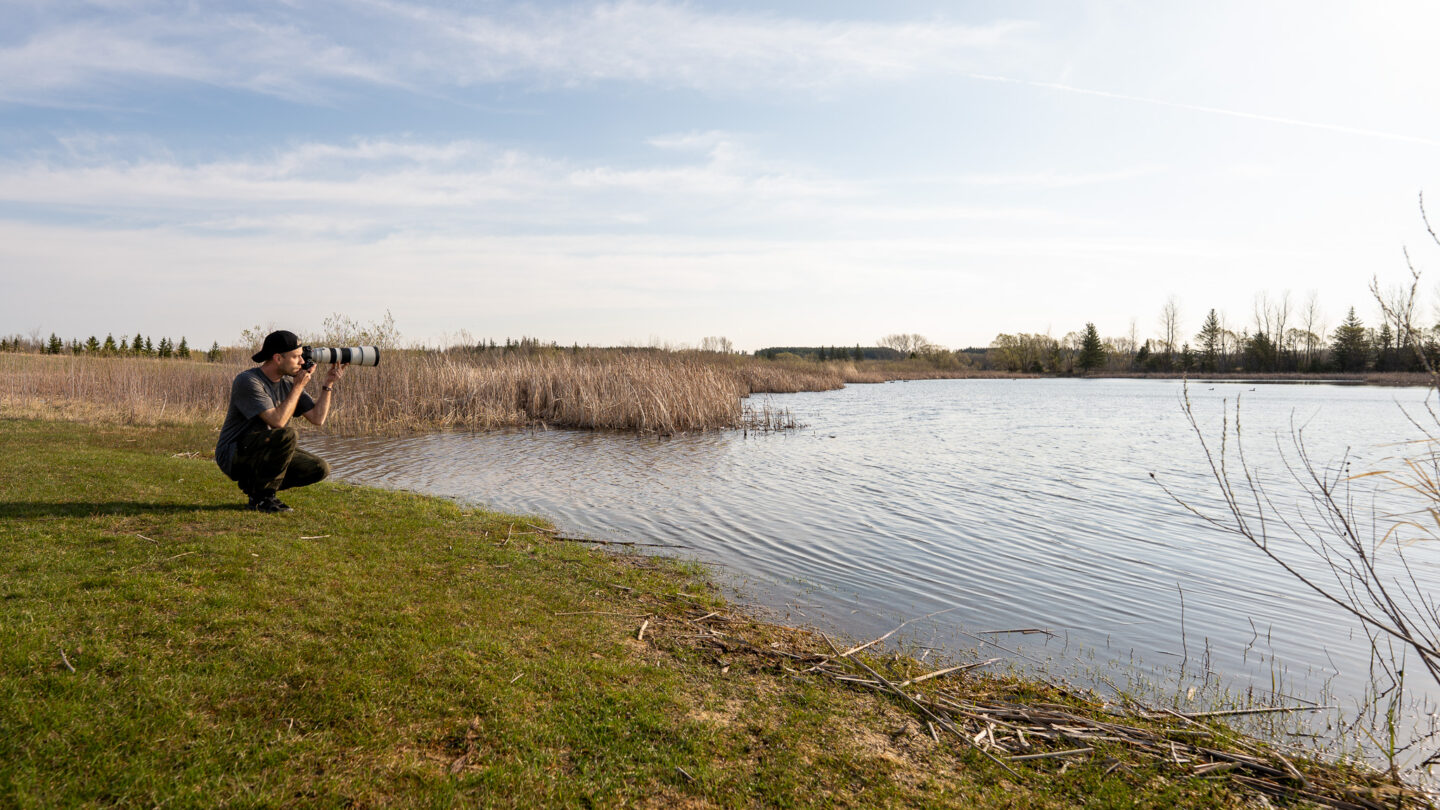
I spent the day working slowly along the shoreline with my telephoto lens and spotting scope. Because the terrain is wide open, having a stable tripod is essential for scanning distant mudflats.
The diversity of shorebirds resting along the beach was remarkable. Over the course of the morning, I spotted Hudsonian Godwit, Marbled Godwit, Semipalmated Sandpiper, Sanderling, Dunlin, Least Sandpiper, Willet, and American Golden-Plover foraging along the water’s edge. Moving slightly inland into the tree lines along the beach, I caught bright flashes of Baltimore Orioles active in the spring foliage.
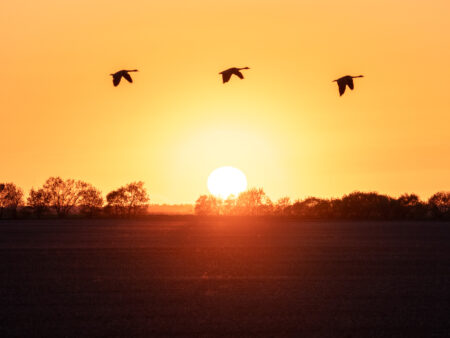
Having the RV parked right beside the beach allowed me to stay in the field until the absolute last light. As the sun dropped over Lake Manitoba, the open water and sky turned vibrant shades of orange and gold. It was one of the most memorable sunset photography sessions of the entire trip. When dusk finally settled, my warm camper and a hot dinner were only a two-minute walk up the sand.
Birds to Watch For:
Leaving St. Ambroise, I drove south to join Highway 16 West (the Yellowhead Highway), then turned north onto Provincial Trunk Highway 10 straight into the Wasagaming townsite at Riding Mountain National Park (185 kilometers, roughly 2 hours).
Of all the stops on this itinerary, Riding Mountain requires the longest drive from Winnipeg, but it is well worth every kilometer. The park sits on a dramatic escarpment where native prairie grassland meets northern boreal forest and eastern deciduous woodland.
By the time you arrive, you have experienced Manitoba’s prairie wetlands, coastal lake beaches, and oak forests. Riding Mountain brings all of these ecosystems together into one rich landscape.
I arrived in Wasagaming by mid-afternoon, checked into Wasagaming Campground, and took a relaxed evening drive along the Clear Lake shoreline to scout trailheads for the next morning.
I spent two full days exploring the park’s diverse trail network. Because Riding Mountain combines boreal forest with open meadows and river valleys, every trail offered a completely different bird list.
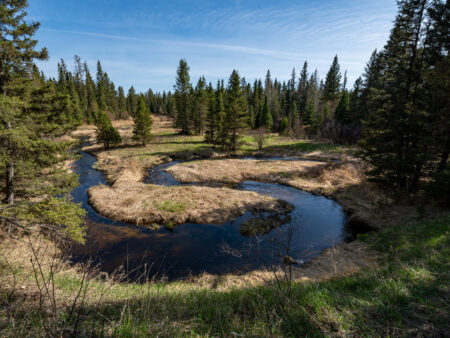
Deeper forest trails were filled with the songs of arriving warblers. Woodpeckers drummed high in standing aspens, and open meadow edges attracted bluebirds and flycatchers.
Having the RV as a mobile base camp made spending entire days in the field simple. I could hike a trail in the morning, head back to the rig for lunch, drive out to a scenic overlook, and stay in the park right through dusk without feeling rushed.
Ochre River Trail: Forested river valley trail offering fantastic viewing for migrating warblers and woodland species.
Lake Audy Road & Enclosure: Open grassland drive where you can view native plains bison alongside prairie bird species.
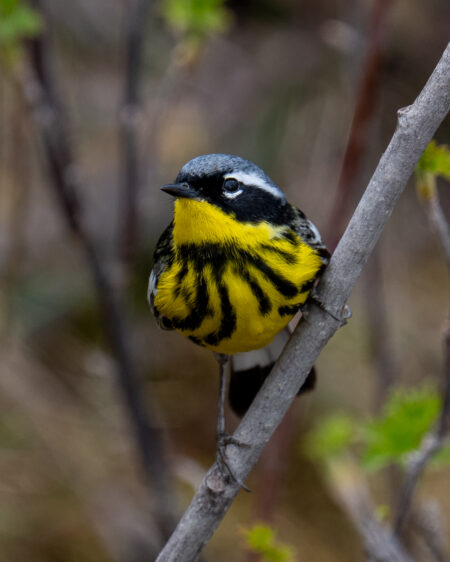
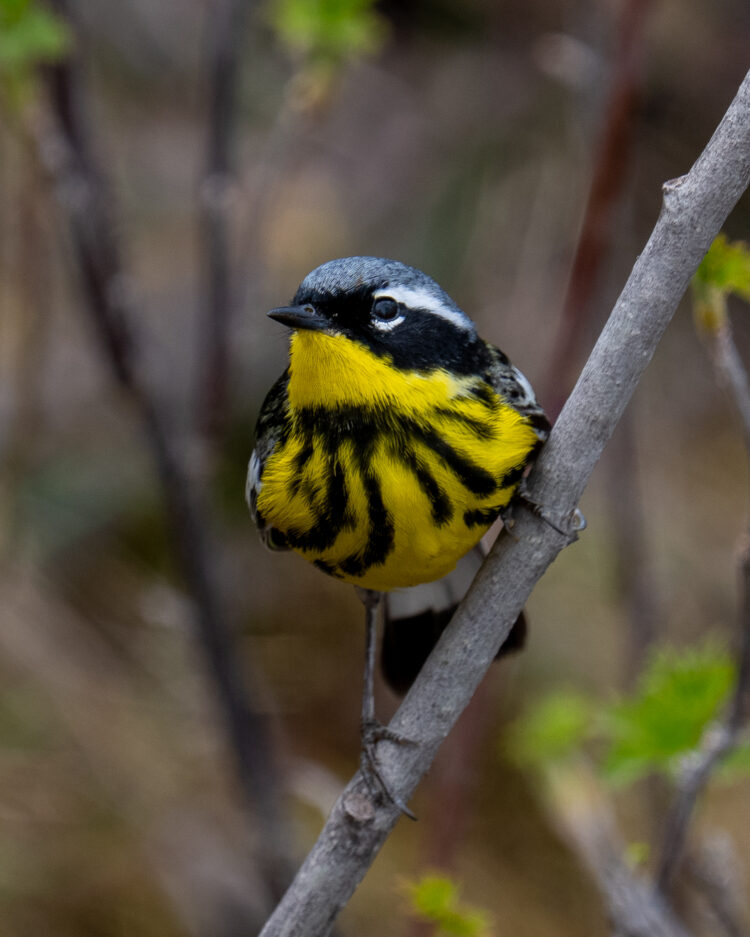
Birds to Spot: Blackburnian Warbler, Magnolia Warbler, Canada Warbler, Black-throated Green Warbler, Red-headed Woodpecker, Pileated Woodpecker, Eastern Bluebird, and Veery.
Mammal Encounters: Black Bears, Elk, and White-tailed Deer are frequently seen along park roads. Always keep a minimum safe distance of 100 meters from bears and 30 meters from ungulates, remaining inside or right beside your vehicle.
Birds to Watch For:
Manitoba often gets overlooked in favour of better-known birding destinations, but this migration corridor stands among the best wildlife road trips in North America. Across a single week, you can watch thousands of waterfowl cover shallow prairie marshes, scan rocky lake shores for arctic waders, and track colourful warblers through boreal spruce canopy.
An RV gives you the freedom to slow down, follow the light, and experience Canada’s wild spaces on your own schedule. Pack your binoculars, plan your campsite stops, and get ready for an unforgettable spring on the open road.